.svg)

Everything You Need to Know About Student Visas
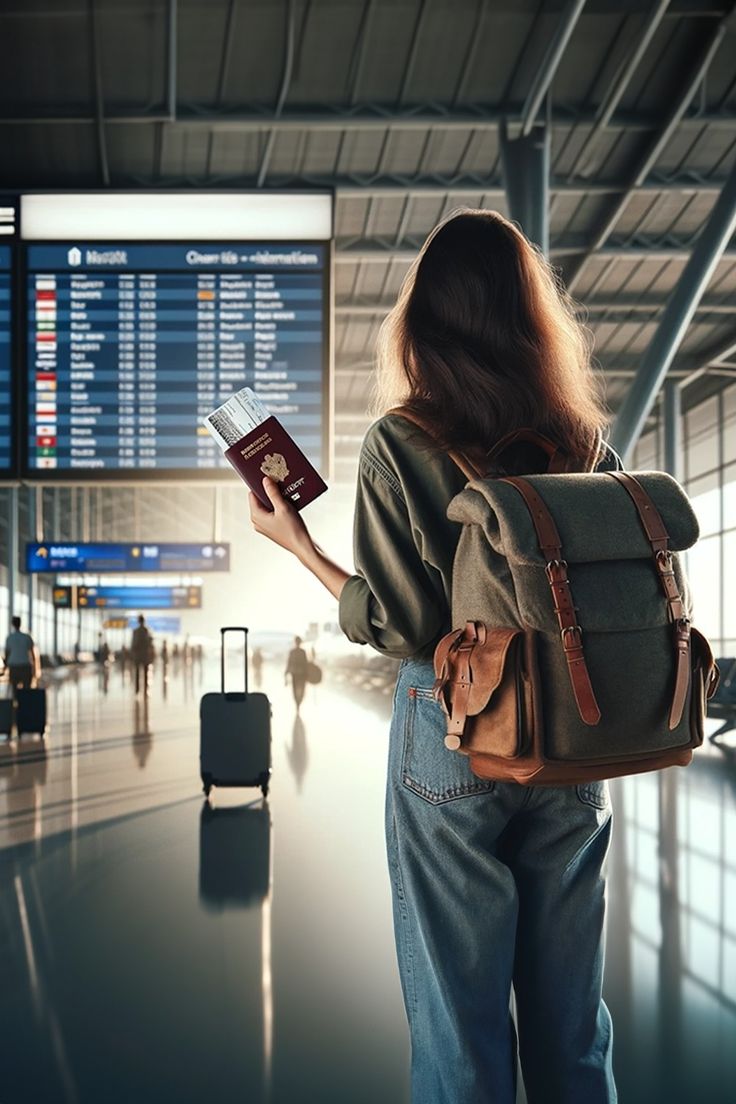
Navigating visa applications doesn't have to be terrifying. Learn the fundamentals of student visas, including requirements, documents, and common mistakes international students should avoid.
Applying for a student visa is often described as complicated, bureaucratic, and stressful. And while that can be true, here’s the secret most students don’t hear early enough:
The student visa process is actually very logical.
Embassies aren’t trying to trick you or catch you out. At its core, every student visa application is designed to verify just three simple things:
who you are, why you’re going, and how you’ll support yourself while you study.
Once you understand this, the process becomes far less intimidating.
This guide is your cheat sheet to navigating student visas without the panic.
What Is a Student Visa?
A student visa is an official authorisation that allows international students to live in a country for the purpose of full-time study at an approved institution.
It is usually linked to:
- A specific country
- A specific institution
- A specific program and duration
Student visas are temporary and typically valid for the length of your studies, with conditions that vary by destination.
The “Big Three” Student Visa Requirements
No matter whether you’re applying to New York, London, Toronto, or Sydney, nearly every student visa application revolves around the same three pillars.
1. The Acceptance (The “Why”)
You must have a confirmed, official acceptance from a recognised institution.
Depending on the country, this may be called:
- UK: CAS (Confirmation of Acceptance for Studies)
- USA: I-20 form
- Canada: Letter of Acceptance
- Europe & others: University enrolment confirmation
Without this government-recognised document from your university, you cannot begin a student visa application.
2. The Finances (The “How”)
This is where most students feel the most pressure.
In general, you must prove you have sufficient liquid funds to cover:
- Tuition for at least the first year
- Estimated living expenses
These funds usually need to:
- Be held in your or your sponsor’s bank account
- Remain untouched for a specific period (often around 28 days, depending on the country)
Each destination calculates financial requirements differently, so accuracy and preparation are critical.
3. The Intent (The “Who”)
You must demonstrate that you are a genuine student.
This means showing:
- Your academic background aligns with your chosen program
- Your study plan is logical and consistent
- You understand what you are studying and why
In many cases, you’ll also need to show that you intend to follow legal routes after your studies, whether that involves returning home or continuing through permitted pathways.
When Should You Apply for a Student Visa?
Student visa applications are typically submitted after you receive an offer letter from your institution.
A general timeline looks like this:
- Apply to universities or programs
- Receive an offer (conditional or unconditional)
- Accept the offer and pay any required deposits
- Prepare visa documentation
- Submit the visa application
Because processing times vary, it’s best to start preparing documents as early as possible, even before your final offer arrives.
Know Your Exact Visa Type
One of the most common mistakes students make is searching too broadly.
Don’t just Google “student visa.”
Know exactly which visa you need.
- 🇺🇸 USA: F-1 Visa
Requires SEVIS fee payment and a face-to-face interview.
- 🇬🇧 UK: Student Route Visa
A points-based system (70 points) with a strong focus on documentation.
- 🇨🇦 Canada: Study Permit
Often requires a detailed study plan explaining why Canada and why this program.
- 🇪🇺 Schengen countries (e.g. Germany, France, Italy):
National (Type D) Student Visa, not a tourist visa.
Applying under the wrong category can cause delays or refusals.
Can You Work on a Student Visa?
Work permissions depend on the country and your visa conditions.
In general:
- Some countries allow limited part-time work during studies
- Weekly working hours are usually capped
- Full-time work may be restricted to academic breaks
Always check official visa conditions, as violating them can affect both current and future immigration status.
The Visa Interview: A Conversation, Not an Interrogation
For some destinations, especially the USA, a visa interview is required.
This is not an exam. Officers are not testing your academic knowledge; they are assessing credibility and intent.
What matters most:
- Know your program: Be able to explain what you’re studying and why you chose that institution.
- Be honest: Never lie or hide previous visa refusals. Officers already have access to records.
- Explain future plans clearly: Structured, realistic answers are far stronger than vague statements.
Calm, consistent explanations matter more than perfect wording.
The Golden Rule: Don’t Wait
Visa processing times can range from three weeks to several months, depending on the destination and time of year.
Once you receive your acceptance:
- Start preparing immediately
- Book appointments early
- Avoid peak-season delays
Summer intakes are especially busy, and embassy appointment slots can fill quickly.
Common Student Visa Mistakes to Avoid
- Applying too late
- Submitting incomplete or inconsistent documents
- Using outdated financial statements
- Assuming visa rules are the same everywhere
- Guessing instead of checking official requirements
Attention to detail can make a significant difference.
Final Thoughts
Student visas are a critical part of studying abroad, but they don’t have to be intimidating. Once you understand the logic behind the process, it becomes far more manageable.
Every student’s situation is different, and visa rules can change. Preparing early and seeking guidance tailored to your destination can help you move forward with confidence.
How Everly Global Can Help
A visa refusal becomes part of your record, which is why preparation matters.
At Everly Global, we support students by:
- Reviewing financial documentation
- Helping structure clear, logical study plans
- Preparing students for visa interviews through mock sessions
- Ensuring applications align with current country requirements
Our goal is simple:
to help you approach the visa process calm, prepared, and confident.