.svg)

Overview
Italian language programs are designed to immerse you in the culture, art, and lifestyle of Italy. Whether you want to order coffee like a local, prepare for an Italian university, or simply enjoy a "Roman Holiday," there is a course for every goal and timeline.
Programs are available for all proficiency levels, from absolute beginner (A1) to mastery (C2). Upon arrival, most schools conduct placement assessments to ensure students are enrolled at the level that best matches their current proficiency, allowing for structured progress and effective learning.
Study Destinations in Italy
Italian language courses are available in several cities across Italy, each offering a distinct experience:
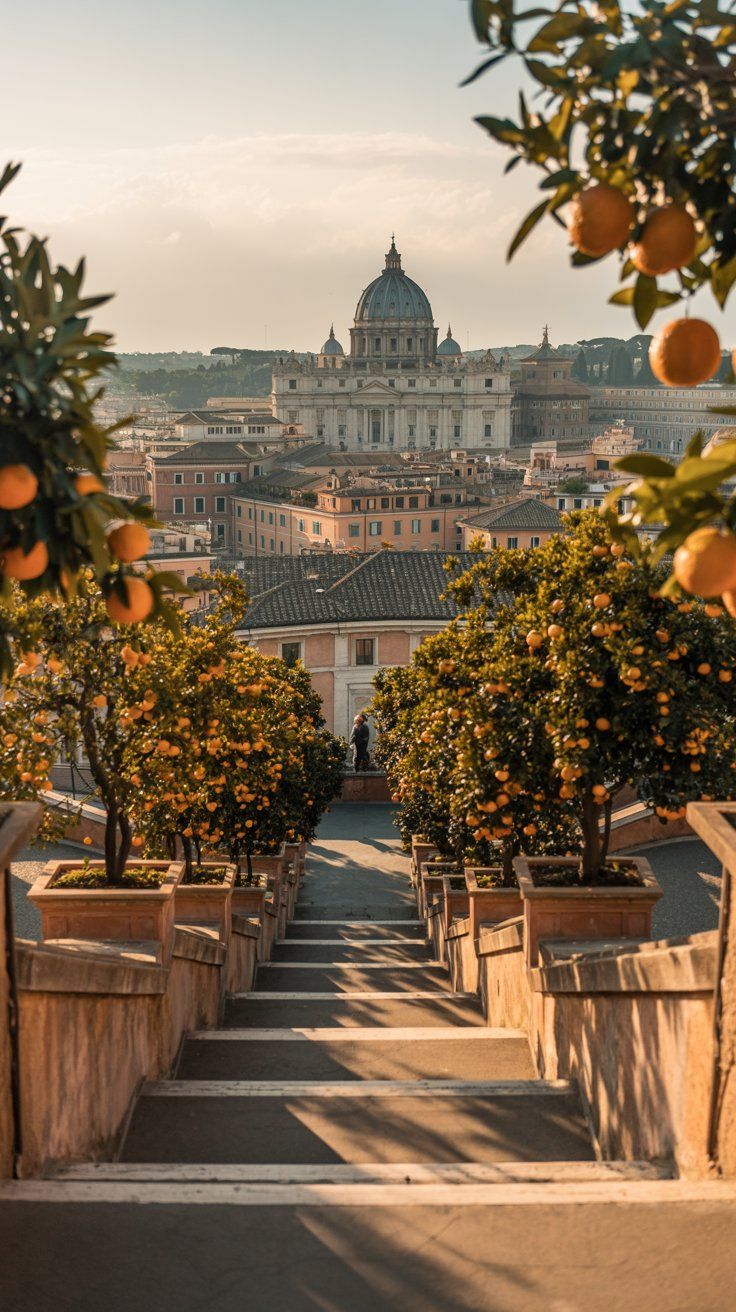
- Rome, ideal for students who want to learn Italian while being surrounded by history, art, and everyday city life
- Florence, a popular choice for students interested in art, culture, and a traditional academic atmosphere
- Milan, suited for learners with an interest in fashion, business, and contemporary Italian culture
- Bologna, Home to one of the world’s oldest universities, offering a strong academic environment
Studying Italian in Italy provides full immersion, as the language is used daily both inside and outside the classroom, accelerating confidence and practical communication skills.
While each city offers a unique flavor, all programs share a focus on small class sizes, native-speaking teachers, and "living the language" to ensure you return home with real-world skills.
Choose Your Course Type
Students can choose from several specialized pathways:
General Italian:
- Focuses on practical communication. You will learn grammar, vocabulary, and pronunciation to help you navigate daily life with confidence, from shopping at markets to chatting with locals.
Intensive Italian:
- A fast-track option with more hours per week (usually 20-30 lessons). This is ideal for students who want to make maximum progress in a short time.
Italian + Culture (Cooking / Art / Fashion):
- The ultimate experience. Combine language lessons in the morning with afternoon workshops in Italian cooking, wine tasting, art history, or fashion design.
Academic Preparation (CILS / CELI):
- Dedicated training for official certification exams required for Italian university admission. You will master the specific skills needed to pass these government-recognized tests.
Business Italian:
- Designed for professionals who need to work with Italian companies. The curriculum covers commercial correspondence, negotiation, and formal presentation skills.
Flexibility & Schedule
Italian language programs are known for their flexibility, making them accessible to a wide range of learners. Many courses offer:
- Frequent or weekly start dates
- Short-term options, starting from just a few weeks
- Longer-term programs, extending over several months or an academic year
This flexibility makes Italian language study suitable for gap-year students, future university applicants, professionals, and lifestyle learners seeking structured education alongside cultural immersion.
Accommodation Options
Most Italian language schools offer support with accommodation to help students settle in comfortably during their studies. Options vary by city and school, but typically include:
- Student Residences:
Purpose-built or partner residences offering furnished rooms, shared common areas, and a student-focused environment. This option is popular with students who want a social setting and structured living arrangements.
- Shared Apartments:
A flexible and independent option where students live with other international or local students. Shared apartments allow for greater immersion into daily Italian life while keeping costs manageable.
- Homestay with Italian Families:
Living with a host family provides the highest level of language immersion. Students practice Italian daily in a natural setting and gain insight into local culture, traditions, and lifestyle.
- Private Studios or Apartments:
Available in some cities for students seeking more privacy and independence. This option is typically higher in cost and may be subject to availability.
Accommodation availability, pricing, and length of stay depend on the city, season, and course duration. Some options are arranged directly through the language school, while others may require independent booking.
Students are encouraged to consider their budget, lifestyle preferences, and desired level of immersion when choosing accommodation.
Visa Considerations
Visa requirements for studying Italian depend on the length of the course, weekly study hours, and the student’s nationality.
Key considerations include:
- Short-term courses may be completed under a short-stay or visitor visa, depending on nationality and course duration
- Longer programs typically require a national (Type D) student visa for Italy
- Enrollment confirmation from the language school is usually required for visa applications
- Work permissions, if available, are regulated separately and depend on visa type
Because visa rules can vary and change, it is important to review requirements early and plan accordingly.
Support & Guidance
While each Italian city offers a different pace of life and cultural atmosphere, all programs focus on practical language use, qualified instruction, and immersive learning environments that support real-world communication.
At Everly Global, we help students understand how Italian language programs align with visa requirements, academic pathways, and long-term goals, ensuring decisions are made with clarity and realistic expectations.


Frequently Asked Questions